
SPOILER ALERT!
Make A Great Looking Smile Via This Dental Care Recommendations
Written by-Frost Spivey
Maintaining healthy teeth and gums should be one of your top priorities. Not only that, but you have to learn about the problems you might have if you practice bad oral hygiene. The following information can get you started on the best dental practices.
Brush your teeth daily. Food and bad bacteria can settle on and in between teeth causing odor and dental issues, so brushing them helps to keep them clean. Brush them at least twice per day using a toothpaste that contains fluoride. The best times to brush your teeth are after every meal you eat and prior to bed.
Get a tongue scraper and use it every morning. This will clean your tongue and help remove bacteria. Your tongue will feel better and your mouth will not smell so bad. A tongue scraper is more effective than brushing your tongue with your tooth brush, and takes less time too.
One of the worst feelings is to have a seed or some other foreign object caught between your teeth. Do not try to force it out with a fork or other hard object. Take a small length of floss and gently try to remove it. If it does not come out, visit your dentist, and they can help remove it.
Don't assume that just because oranges and orange juice are touted as healthy for your body that they are healthy for your mouth. The acidic nature of this and related foods start wearing down on your enamel immediately. You can have them, but brush immediately after consuming anything involving heavy concentrations of oranges.
Check your gum line to spot early symptoms of decay. The gum-line is very vulnerable and is the point at which many nerves begin. If problems are not treated, it could mean needing a root canal. Monitor the problem closely, and contact your dentist at the first sign of discoloration or discomfort.
Visit your dentist regularly. Many people are afraid of dentists. For the sake of your dental health, you should try your best to conquer this fear. Don't just visit your dentist when a problem arises. If you are able, try to schedule regular tooth cleanings. Regular cleanings and checkups can prevent a real problem from occurring.
Did you know that the sequence that you eat your foods in can play a role in whether or not you develop cavities? Eating sugary foods such as cake alone is much worse for your teeth, than if you eat the cake after a meal. Don't eat sugary foods alone, always eat them with other foods.
If you get your water from a well, you may not be getting the necessary fluoride. To help ensure that https://www.washingtonpost.com/lifestyle/wellness/five-kinds-of-health-appointments-you-should-consider-keeping-despite-the-pandemic/2020/07/01/d04f5848-bbc4-11ea-80b9-40ece9a701dc_story.html are getting the necessary fluoride for dental health use a fluoridated toothpaste and mouthwash. These products will help your teeth absorb the necessary fluoride to promote healthy teeth.
Talk to your dentist immediately about any changes you notice in your mouth. Be it sudden increased sensitivity to cold, a dull ache or an odd spot that won't go away on its own, your dentist knows the difference between a simple issue with teeth and major underlying health issues. Call right away to report any such problems.
Some advice you read will say to brush your teeth after eating citrus or foods with lemon, but avoid this advice! Brushing your teeth after eating acidic foods means you are brushing softened enamel that is more susceptible to damage. Instead, immediately rinse your mouth with water and follow up with a piece of sugar-free gum.
To help protect your teeth, eat a diet rich in calcium. Low-fat dairy products can provide that necessary calcium. Take a calcium supplement if you prefer not to eat a lot of dairy.
Make sure to floss daily. Too many people skip or forget this step, and it is very important to your dental care routine. You get food and bacteria stuck in between your teeth. A toothbrush can't reach deep in between teeth to remove them. You need to floss at least once a day to prevent dental issues like bad breath, gingivitis, enamel wear, etc.
It may seem like a good idea to brush your teeth after eating or drinking something with a high acid content but you could cause more damage that way. The acids soften the enamel and if you brush, you can brush away or erode the enamel. It is better to just rinse your mouth out.
Choose the right mouthwash. All mouthwashes are not created equal, so do some research before you get to the store. Check out active ingredients, and try samples if possible. You don't want something that's just fizzy. You have to be able to make your breath fresher and get rid of bacteria.
To keep ants from coming into your children's bathroom, make sure that they put the lid back on the toothpaste tube after brushing. Many of the flavors that are added to children's toothpaste add sweetness, and the scent can attract ants. Putting the lid on keeps the ants far away.
Never brush your teeth immediately after you eat. It may seem as though that you could prevent cavities by brushing right away, but the reality is that the enzymes from food can react with the toothpaste in a way that it causes harm to your teeth. Be sure that you rinse your mouth before brushing to make sure that this does not happen.
You can successfully prevent tooth decay by using a quality mouth rinse. Make sure the product you use contains fluoride. Products rich in fluoride will strengthen your teeth and help you fight decay. Get some help from your dentist if you are not sure which product you should be using.
A good way to practice good dental hygiene is gargling with apple cider vinegar. Do that in your morning routine, and then brush. The vinegar in this mixture can make your teeth whiter, and it also can kill bacteria that's built up in your mouth.
Do you spend enough time on brushing and flossing? A lot of people brush their teeth too quickly. You should take the time to brush each tooth for at least thirty seconds. Keep https://blogfreely.net/katerine68gayle/terrific-tips-to-aid-warranty-you-obtain-the-dental-care-you-need of how much time you spend on brushing and flossing to make sure you are doing it properly.
Once you are able to use this advice on a daily basis, you will find that your anxiety about the dentist begins to fade. These tips will help you take good care of your teeth so that they remain healthy for years to come. The thought of a dentist appointment will no longer make you feel nervous.
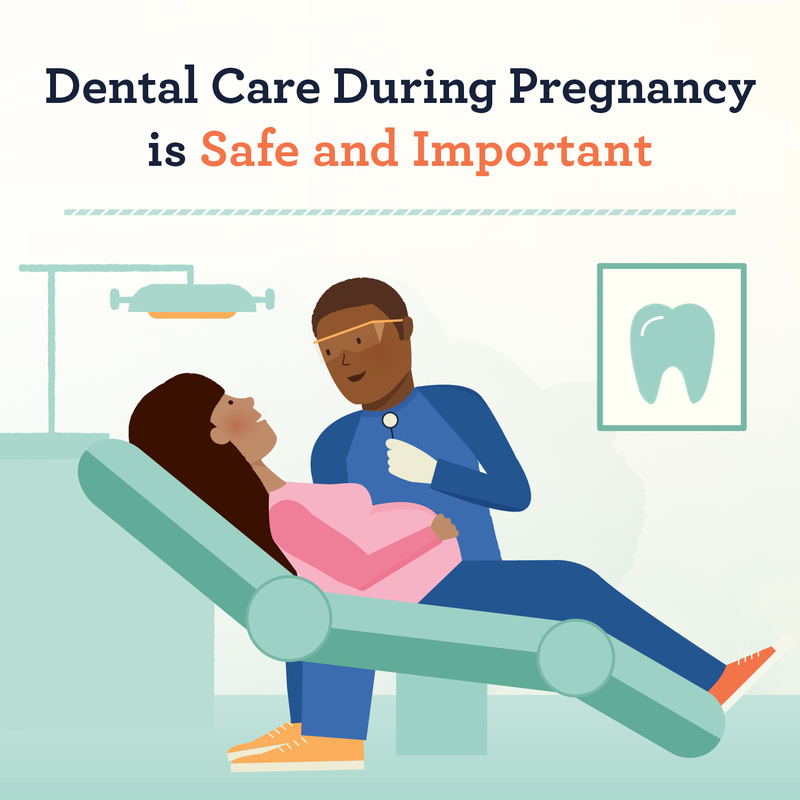
Maintaining healthy teeth and gums should be one of your top priorities. Not only that, but you have to learn about the problems you might have if you practice bad oral hygiene. The following information can get you started on the best dental practices.
Brush your teeth daily. Food and bad bacteria can settle on and in between teeth causing odor and dental issues, so brushing them helps to keep them clean. Brush them at least twice per day using a toothpaste that contains fluoride. The best times to brush your teeth are after every meal you eat and prior to bed.
Get a tongue scraper and use it every morning. This will clean your tongue and help remove bacteria. Your tongue will feel better and your mouth will not smell so bad. A tongue scraper is more effective than brushing your tongue with your tooth brush, and takes less time too.
One of the worst feelings is to have a seed or some other foreign object caught between your teeth. Do not try to force it out with a fork or other hard object. Take a small length of floss and gently try to remove it. If it does not come out, visit your dentist, and they can help remove it.
Don't assume that just because oranges and orange juice are touted as healthy for your body that they are healthy for your mouth. The acidic nature of this and related foods start wearing down on your enamel immediately. You can have them, but brush immediately after consuming anything involving heavy concentrations of oranges.
Check your gum line to spot early symptoms of decay. The gum-line is very vulnerable and is the point at which many nerves begin. If problems are not treated, it could mean needing a root canal. Monitor the problem closely, and contact your dentist at the first sign of discoloration or discomfort.
Visit your dentist regularly. Many people are afraid of dentists. For the sake of your dental health, you should try your best to conquer this fear. Don't just visit your dentist when a problem arises. If you are able, try to schedule regular tooth cleanings. Regular cleanings and checkups can prevent a real problem from occurring.
Did you know that the sequence that you eat your foods in can play a role in whether or not you develop cavities? Eating sugary foods such as cake alone is much worse for your teeth, than if you eat the cake after a meal. Don't eat sugary foods alone, always eat them with other foods.
If you get your water from a well, you may not be getting the necessary fluoride. To help ensure that https://www.washingtonpost.com/lifestyle/wellness/five-kinds-of-health-appointments-you-should-consider-keeping-despite-the-pandemic/2020/07/01/d04f5848-bbc4-11ea-80b9-40ece9a701dc_story.html are getting the necessary fluoride for dental health use a fluoridated toothpaste and mouthwash. These products will help your teeth absorb the necessary fluoride to promote healthy teeth.
Talk to your dentist immediately about any changes you notice in your mouth. Be it sudden increased sensitivity to cold, a dull ache or an odd spot that won't go away on its own, your dentist knows the difference between a simple issue with teeth and major underlying health issues. Call right away to report any such problems.
Some advice you read will say to brush your teeth after eating citrus or foods with lemon, but avoid this advice! Brushing your teeth after eating acidic foods means you are brushing softened enamel that is more susceptible to damage. Instead, immediately rinse your mouth with water and follow up with a piece of sugar-free gum.
To help protect your teeth, eat a diet rich in calcium. Low-fat dairy products can provide that necessary calcium. Take a calcium supplement if you prefer not to eat a lot of dairy.
Make sure to floss daily. Too many people skip or forget this step, and it is very important to your dental care routine. You get food and bacteria stuck in between your teeth. A toothbrush can't reach deep in between teeth to remove them. You need to floss at least once a day to prevent dental issues like bad breath, gingivitis, enamel wear, etc.
It may seem like a good idea to brush your teeth after eating or drinking something with a high acid content but you could cause more damage that way. The acids soften the enamel and if you brush, you can brush away or erode the enamel. It is better to just rinse your mouth out.
Choose the right mouthwash. All mouthwashes are not created equal, so do some research before you get to the store. Check out active ingredients, and try samples if possible. You don't want something that's just fizzy. You have to be able to make your breath fresher and get rid of bacteria.
To keep ants from coming into your children's bathroom, make sure that they put the lid back on the toothpaste tube after brushing. Many of the flavors that are added to children's toothpaste add sweetness, and the scent can attract ants. Putting the lid on keeps the ants far away.
Never brush your teeth immediately after you eat. It may seem as though that you could prevent cavities by brushing right away, but the reality is that the enzymes from food can react with the toothpaste in a way that it causes harm to your teeth. Be sure that you rinse your mouth before brushing to make sure that this does not happen.
You can successfully prevent tooth decay by using a quality mouth rinse. Make sure the product you use contains fluoride. Products rich in fluoride will strengthen your teeth and help you fight decay. Get some help from your dentist if you are not sure which product you should be using.
A good way to practice good dental hygiene is gargling with apple cider vinegar. Do that in your morning routine, and then brush. The vinegar in this mixture can make your teeth whiter, and it also can kill bacteria that's built up in your mouth.
Do you spend enough time on brushing and flossing? A lot of people brush their teeth too quickly. You should take the time to brush each tooth for at least thirty seconds. Keep https://blogfreely.net/katerine68gayle/terrific-tips-to-aid-warranty-you-obtain-the-dental-care-you-need of how much time you spend on brushing and flossing to make sure you are doing it properly.
Once you are able to use this advice on a daily basis, you will find that your anxiety about the dentist begins to fade. These tips will help you take good care of your teeth so that they remain healthy for years to come. The thought of a dentist appointment will no longer make you feel nervous.
